Published: November 9, 2026
Discover how AI vision is streamlining metal fabrication shops, celebrate award-winning plumbing apprentices, learn how to price handmade work for profit, and master classic Shaker peg rail joinery.
Welcome back to the workbench for Monday, November 9, 2026. Today we are breaking down the state of metalworking automation, celebrating top trade apprentice talent, dialing in your workshop margins for the holiday push, and cutting classic Shaker peg rails that will outlast your workshop walls.
🔧 Cool New Tools & Metal Fabrication Realities
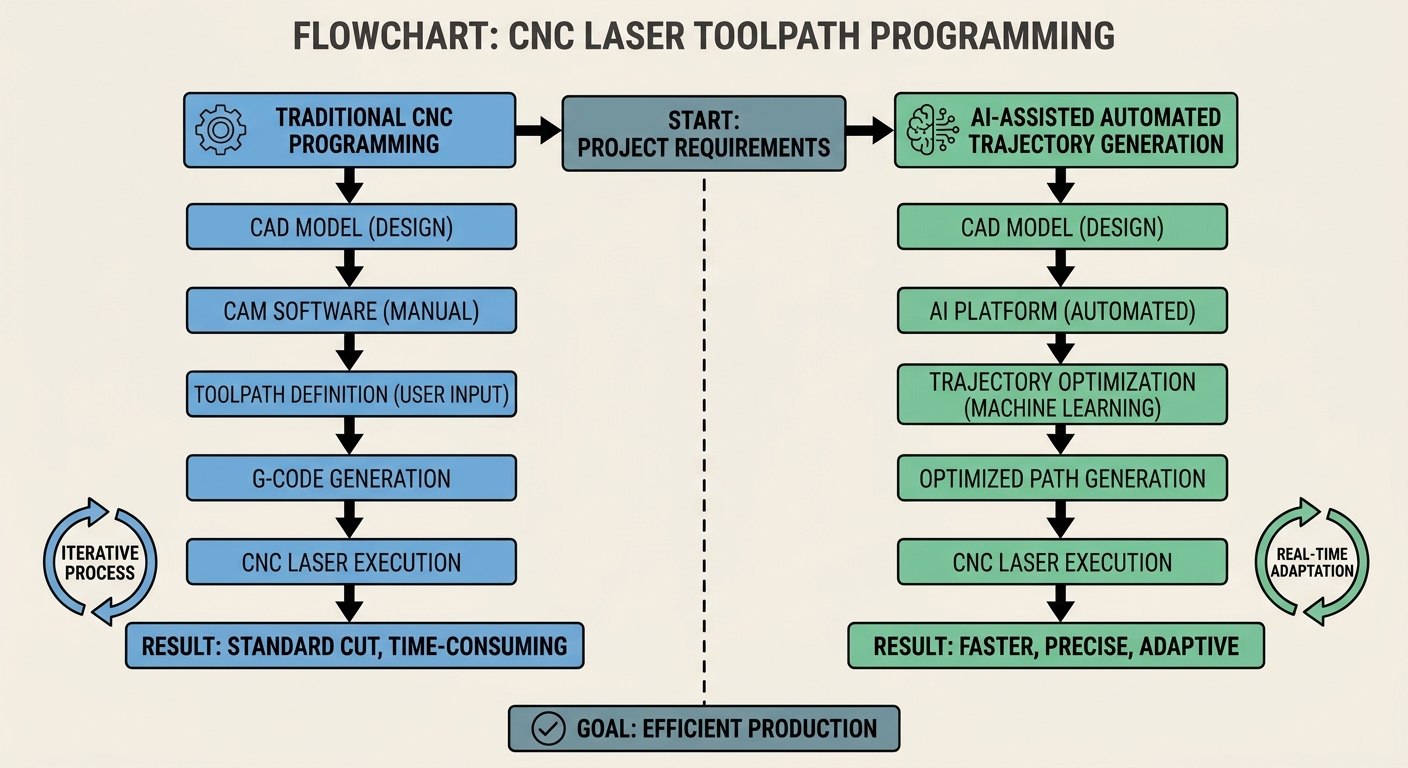
Metal fabrication continues to undergo massive changes in automated tooling, shop management software, and cutting technology. FABTECH 2026 underscored how artificial intelligence is shifting from a buzzword into practical shop floor execution—specifically in torch pathing, thermal distortion prediction, and laser welding cell programming.
+-----------------------------------------------------------------------+
|  TRADITIONAL PROGRAMMING vs AI-ASSISTED LASER WELDING CELL           |
|                                                                       |
|  Manual Teaching Pendant ---> Cad/Cam Import ---> Test Dry Run        |
|  [ 4 - 8 Hours Setup ]                                                |
|                                                                       |
|  AI Vision & Pathing    ---> Automated Seam Tracking & Adjustments    |
|  [ 15 - 30 Mins Setup ]                                               |
+-----------------------------------------------------------------------+
Key Developments to Watch on the Shop Floor:
- AI-Driven Laser Welding Cells: Programming complex 6-axis laser welding robotic cells used to consume hours of manual teach-pendant jogging. New AI vision systems map seam variations in real time, automatically adjusting wire feed speed and laser focal points for weld gaps up to 1.5 mm without requiring manual reprogramming.
- Multiprocess TIG/Stick Units: Portable AC/DC TIG and Stick machines are pushing higher pulse frequencies (up to 500 Hz on AC for aluminum sheet). High-frequency arc starting on 120V/240V dual-voltage power setups means field welders can weld 3/8-inch 6061-T6 aluminum or root-pass carbon pipe without swapping out power plants.
- Machine Tool Tariff Delays: For shops looking to expand their cut-and-bend capacity, delayed import tariffs on machine tools provide a critical window to purchase press brakes and fiber laser tables before equipment costs adjust.
If you are looking to sharpen your fabrication skills or upgrade your torch techniques, inspect our dedicated welding guides in The Trades Path and explore our curated equipment reviews in the Tools Directory.
🏗️ Trade Career Spotlight: PHCC Honors Top Apprentices
Securing a trade license isn't just about showing up—it requires mastering hydraulic math, local code requirements, and jobsite leadership. This week, we highlight Virginia apprentice Nathaniel Magner, who was named the Plumbing-Heating-Cooling Contractors (PHCC) 2026 HVAC & Plumbing Apprentice of the Year.
Stories like Magner's showcase what disciplined apprentice work looks like: combining hundreds of classroom hours with thousands of logged field hours under master tradespeople.
+-----------------------------------------------------------------------+
|                   PLUMBING APPRENTICESHIP ROADMAP                     |
|                                                                       |
|  [Year 1-2] Helper / Apprentice ---> Basic Layout, Drainage & Code   |
|  [Year 3-4] Senior Apprentice   ---> System Sizing, Gas & Hydronics  |
|  [Year 5+]  Journeyman Exam     ---> Independent License & Crew Lead |
+-----------------------------------------------------------------------+
Opportunities and Funding for New Trade Trainees
- $1,000 Apprenticeship Grants: Late fall application windows are open across state PHCC chapters and associated trade groups for electrical and plumbing students enrolled in recognized 4-year programs.
- Mastering the Code Book: If you are prepping for your Journeyman test, don't just memorize fixture unit counts. Learn how to navigate the Index of the International Plumbing Code (IPC) or Uniform Plumbing Code (UPC) within 45 seconds per query. Speed in indexing separates passing scores from re-takes.
- Tooling Up Early: Invest early in a quality 10-inch smooth-jaw pliers wrench, a cast-iron pipe wrench pair (14-inch and 18-inch), and a reliable 25-foot magnetic tape measure with clear blade markings.
Check out career roadmaps, licensing requirements by state, and apprenticeship tips over at The Trades Section and Plumbing Pathways.
💰 Maker Mogul Corner: Pricing Handmade Goods & Platform Diversification
Relying on a single third-party marketplace to fuel your custom shop leaves your income vulnerable to algorithm shifts and fee hikes. Successful maker businesses build independent storefronts while running lean production lines.
1. Diversify Your Sales Channels
While third-party craft platforms are fine for getting initial validation, setting up your own dedicated store (via platforms like Shopify) gives you ownership of your customer list, direct marketing channels, and brand equity. Pair your online shop with point-of-sale (POS) hardware at regional trade shows or local builder markets to convert foot traffic into recurring online orders.2. Focus on High-Margin Products
Avoid competing in race-to-the-bottom commodity categories. Focus your shop time on products with high perceived value and repeatable build processes:- Custom-engraved hardwood presentation boards (walnut, cherry, hard maple).
- Tailored architectural hardware (hand-forged iron pulls, custom metal brackets).
- Batch-produced modular workshop storage racks.
+-----------------------------------------------------------------------+
|                    CUSTOM MAKER PRICING FORMULA                       |
|                                                                       |
|  ( Materials + Shop Overhead ) + ( Labor Hours x Hourly Rate )       |
|                                x                                      |
|                      Profit Margin (1.35 - 1.50)                      |
|                                =                                      |
|                        FINAL RETAIL PRICE                             |
+-----------------------------------------------------------------------+
3. Calculating True Shop Overhead
Never price work by simply doubling material costs. Use this baseline breakdown:- Direct Costs: Raw stock, hardware, finish, fasteners, packaging.
- Labor Rate: Charge yourself minimum $50–$75 per hour for bench labor.
- Overhead Multiplier: Factor in abrasive wear, CNC bit replacement, electricity, finish room filters, and shop insurance (typically 15% to 20% on top of direct costs).
- Target Wholesale/Retail Margin: Multiply your total unit cost by 1.35 for direct retail, or 2.0 if selling wholesale to boutiques.
Dive deeper into workshop accounting, batch production setups, and client management inside the Maker Mogul Path.
🛠️ DIY Mastery: Shaker Peg Rails & Hand Plane Restorations
Weekend woodworkers don't need a million dollars in stationary machinery to build clean, functional pieces that stand the test of time.
Project Focus: The Classic Shaker Peg Rail
The Shakers perfected utility 200 years ago with the continuous wall peg rail. It keeps tools off the floor, organizes entryways, and serves as an ideal joinery exercise.```
+----------
Read the full article on TigerDen.