
Published: November 6, 2026
Get the latest TigerDen breakdown on Bambu Lab's H3C printer, union trade apprenticeship value vs. AI, smart social marketing tactics for custom makers, and timber framing joinery techniques.
Welcome back to the TigerDen workbench for Friday, November 6, 2026. Whether you are running conduit on a jobsite, batching custom furniture orders in a commercial shop, or squaring up timber frames in your garage, we have practical insights, specs, and shop-proven techniques lined up for you today.
🔧 Cool New Tools
Bambu Lab H3C: Independent Toolheads and Flexible Filament Engineering
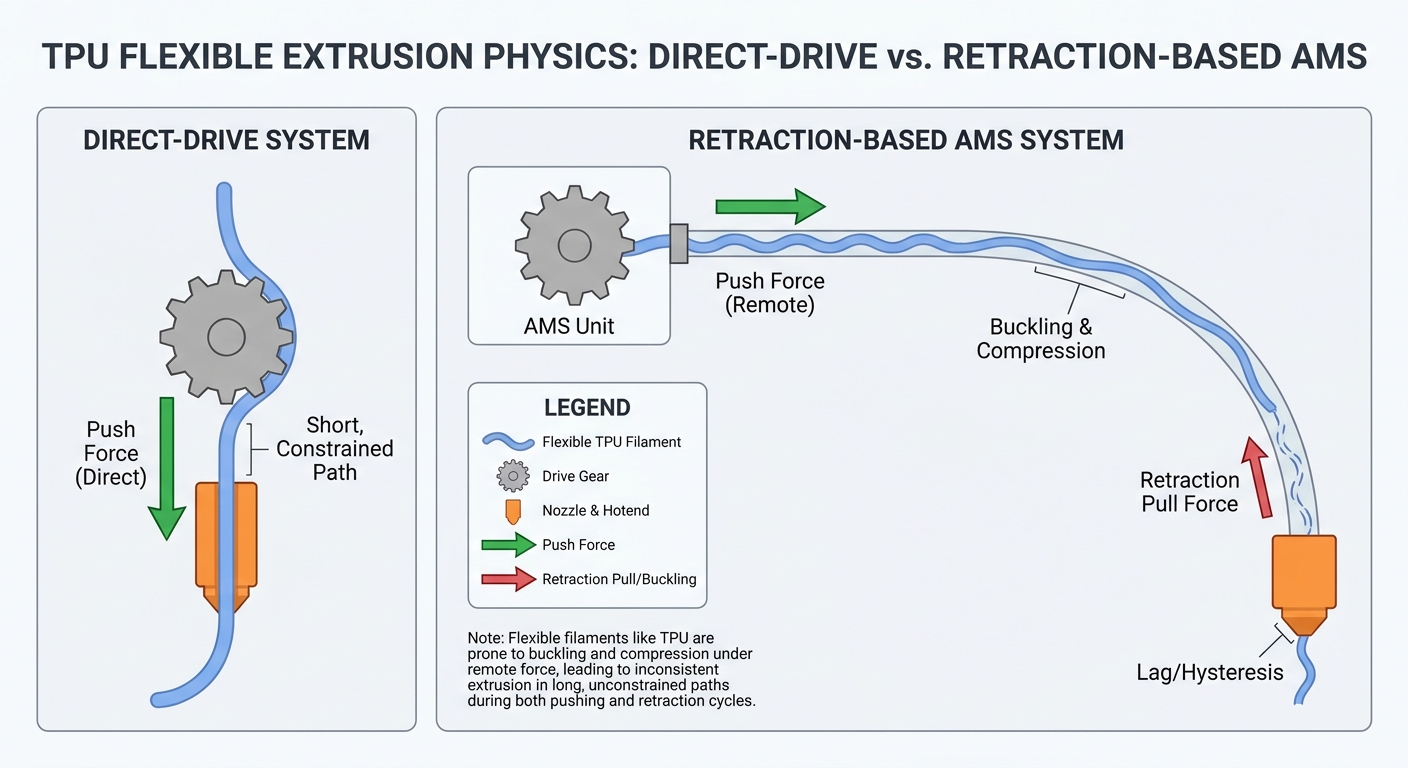
Tool-changing additive manufacturing has shifted from high-end industrial labs to everyday shop floors. We've spent four weeks evaluating the Bambu Lab H3C, and the hardware choices highlight why separate toolheads outperform single-nozzle retraction systems when running multi-material jobs.
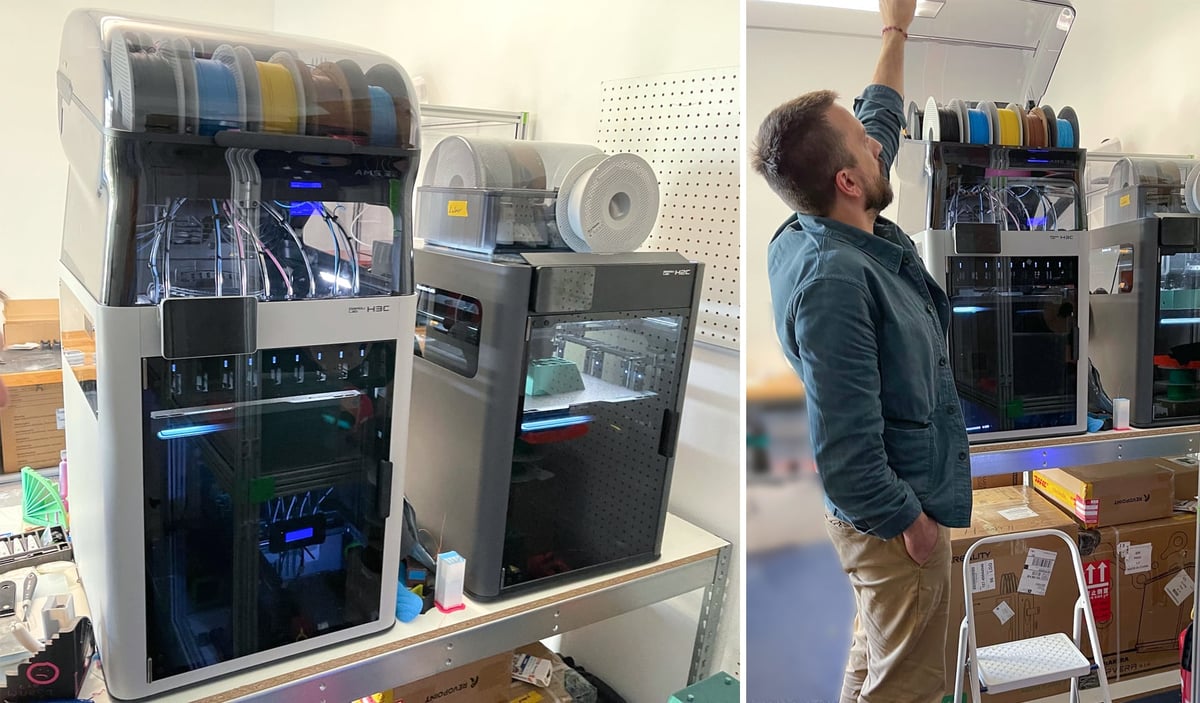
Unlike single-nozzle setups that force material retractions through a shared heatbreak (which leads to filament cross-contamination and massive purge blocks), the H3C utilizes discrete, high-temp direct-drive toolheads. This design shines when printing soft TPU (Shore 85A to 95A) alongside rigid PETG or PLA structural supports.
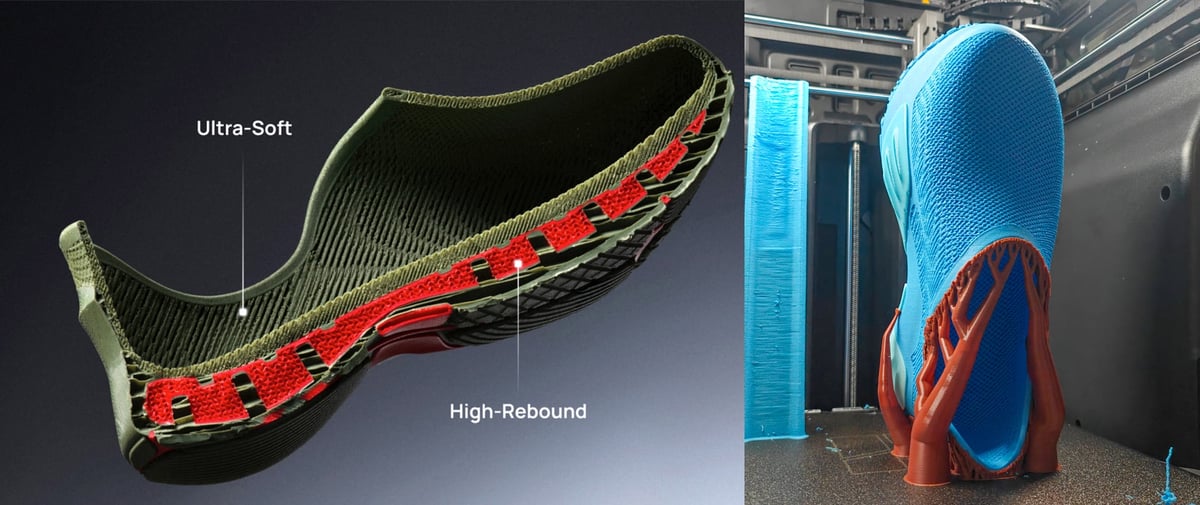
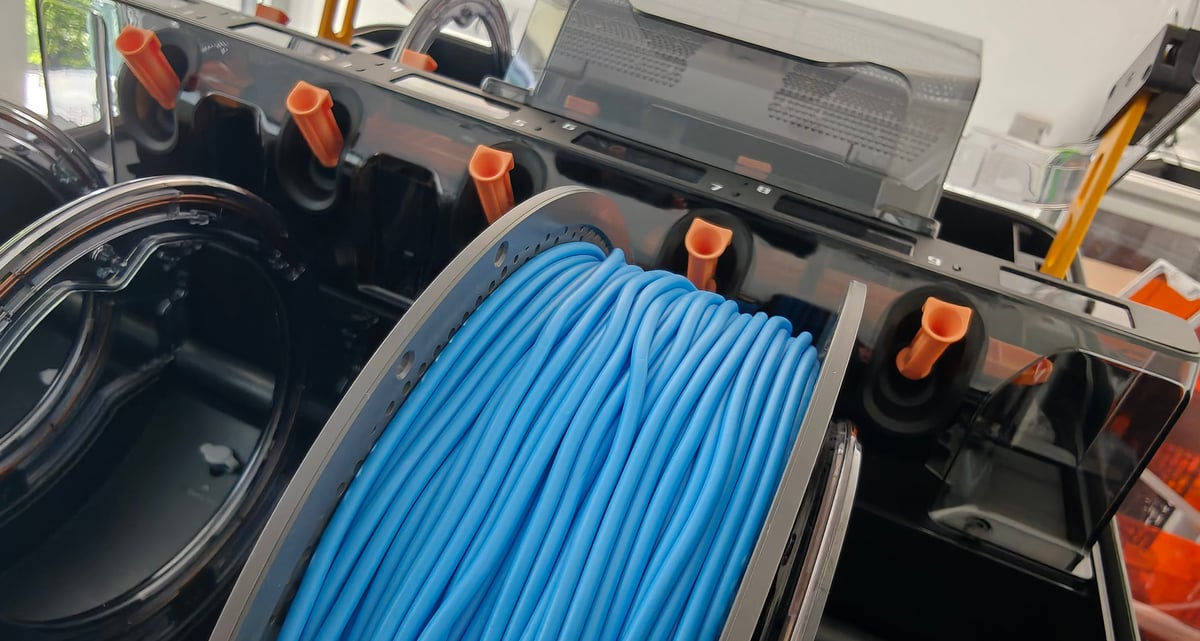
Key Toolhead & Material Observations:
- Nozzle Mixing Feature: Bambu Lab confirmed nozzle mixing—allowing different nozzle orifice sizes (such as a 0.8mm nozzle for thick infill combined with a 0.2mm nozzle for crisp outer walls) in a single build—arrives via firmware update in late November, with broader cross-series capability rolled out by February 2027.
- Semi-Translucent Aesthetics: Testing their new PLA Palette material shows excellent light transmission without sacrificed layer adhesion. Ideal for custom diffusers, LED enclosures, and visual prototypes.
- Bottle-to-Filament Recycling: Recycled PETG drawn directly from cleaned soda bottles using home ribbon-pullers runs reliably through the H3C's hardened steel gears without chewing up feeder drives.
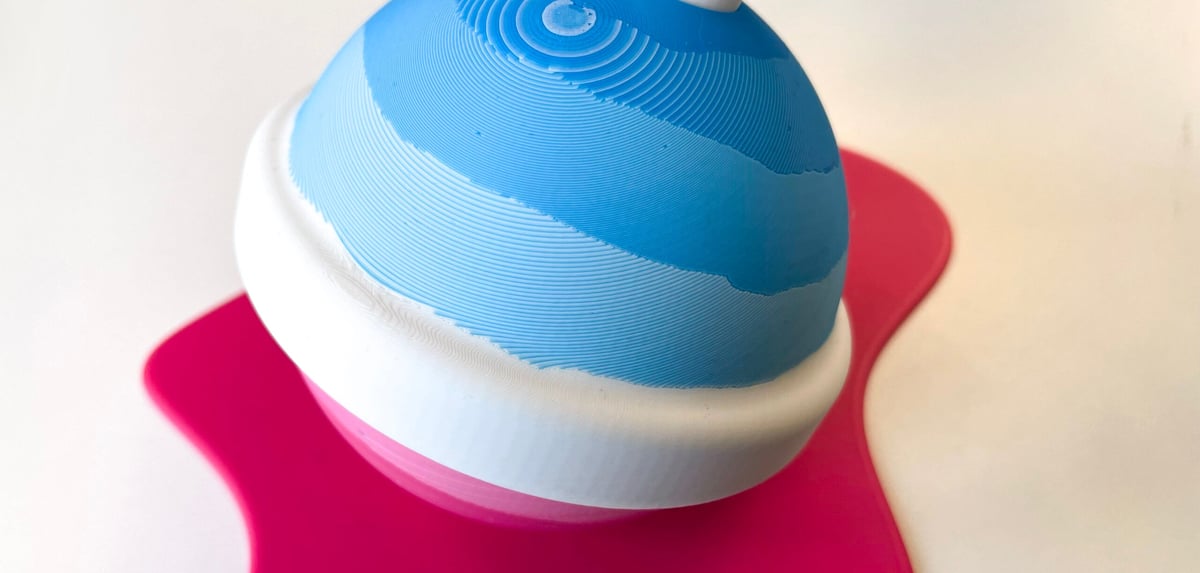
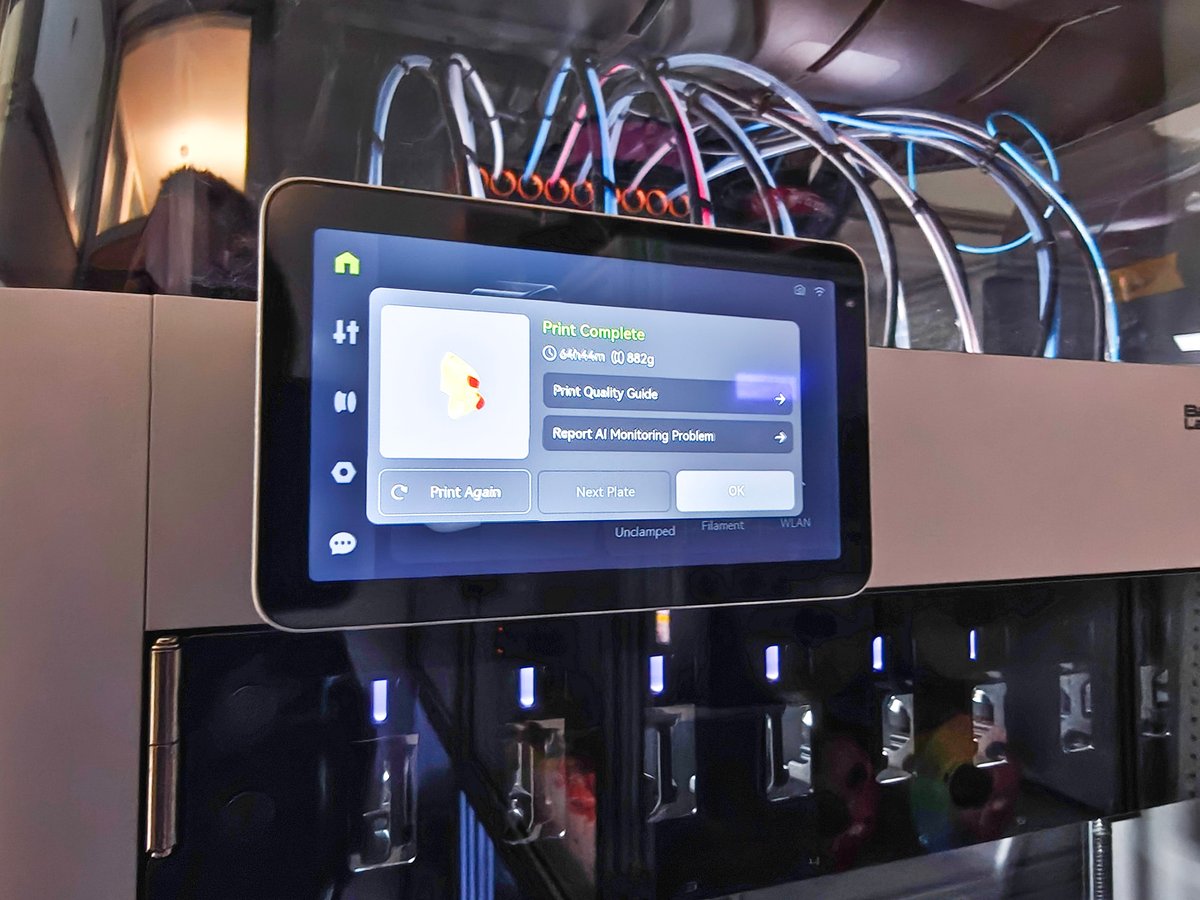
If you're upgrading your prototyping bench, explore our full hardware breakdown in the TigerDen Tools Directory.
🏗️ Trade Career Spotlight
Preserving Hands-On Field Expertise in the Age of AI and Automation
Artificial intelligence and automated scheduling software are creeping into jobsite management, but software cannot inspect a weld, pull a copper run through a tight chase, or balance an HVAC duct system. Recent research from the Illinois Economic Policy Institute confirms what veteran craftspeople already know: structured union apprenticeships yield lifetime career earnings that rival four-year university degrees, all while incurring zero debt.
Apprentice (0-2 Yrs)  --->  Journeyperson (4-5 Yrs) ---> Master / Superintendent
  • 2,000 hrs/yr paid          • Full pay scale            • Field operations
  • Classroom + field          • Specialized certs         • Code sign-off authority
However, the industry faces an urgent challenge: retaining institutional field knowledge. As senior journeypersons retire, contractors must bridge the gap between legacy trade practices and modern field technology.
Hard Shop Realities for Trade Leaders:
- Documenting Unwritten Ruleets: Codebooks tell you what the standard is; senior tradespeople know how to hit that standard when walls are out of plumb or retrofits throw curveballs. Establish structured shadow programs on site.
- AI as an Assistant, Not a Replacement: AI takeoff tools can miscalculate material quantities when drawings lack full structural details. Train apprentices to audit digital estimates against field measurements before placing steel or pipe orders.
- Targeted Upskilling: Contractors investing in advanced diagnostic training for electrical and mechanical crews see 25% fewer callbacks on complex commissioning jobs.
Read more career pathways and licensing breakdowns on The Trades Path.
💰 Maker Mogul Corner
Reverse-Engineering Modern Social Marketing for Custom Shops
Running a profitable craft business means balancing bench time with client acquisition. You don't need a massive marketing agency; you need a focused content strategy that demonstrates your craftsmanship and converts viewers into paying clients.
Analyzing high-performing brand strategists reveals several tactical takeaways you can apply directly to your shop's social presence:
- Deconstruct What Works (Ashwinn Strategy): Don't guess what your audience wants. Look at viral woodworking or metalworking videos, strip away the music, and examine the visual hook. Show the raw stock, the first cut, or the high-stakes glue-up within the first 3 seconds.
- Position for Exclusivity (Ashi Branding Approach): Luxury buyers aren't shopping for cheap wood or metal; they pay for craftsmanship, precision, and durability. Frame your custom joinery or hand-welded bases around lifetime endurance rather than low price points.
- Batch Production Content with Automation: Use social scheduling tools like Buffer to queue up a week's worth of shop updates in 30 minutes every Sunday. Record raw footage while working, batch upload, and spend your weekdays focused on production.
For deeper guides on pricing formulas and client management, visit the Maker Mogul Path.
🛠️ DIY Mastery
Precision Beam Joinery & Rapid Hull Fabrication Mechanics
Whether you're framing a timber pavilion or building a stitch-and-glue watercraft over a long weekend, clean joints come down to geometry, blade setup, and systematic layout.
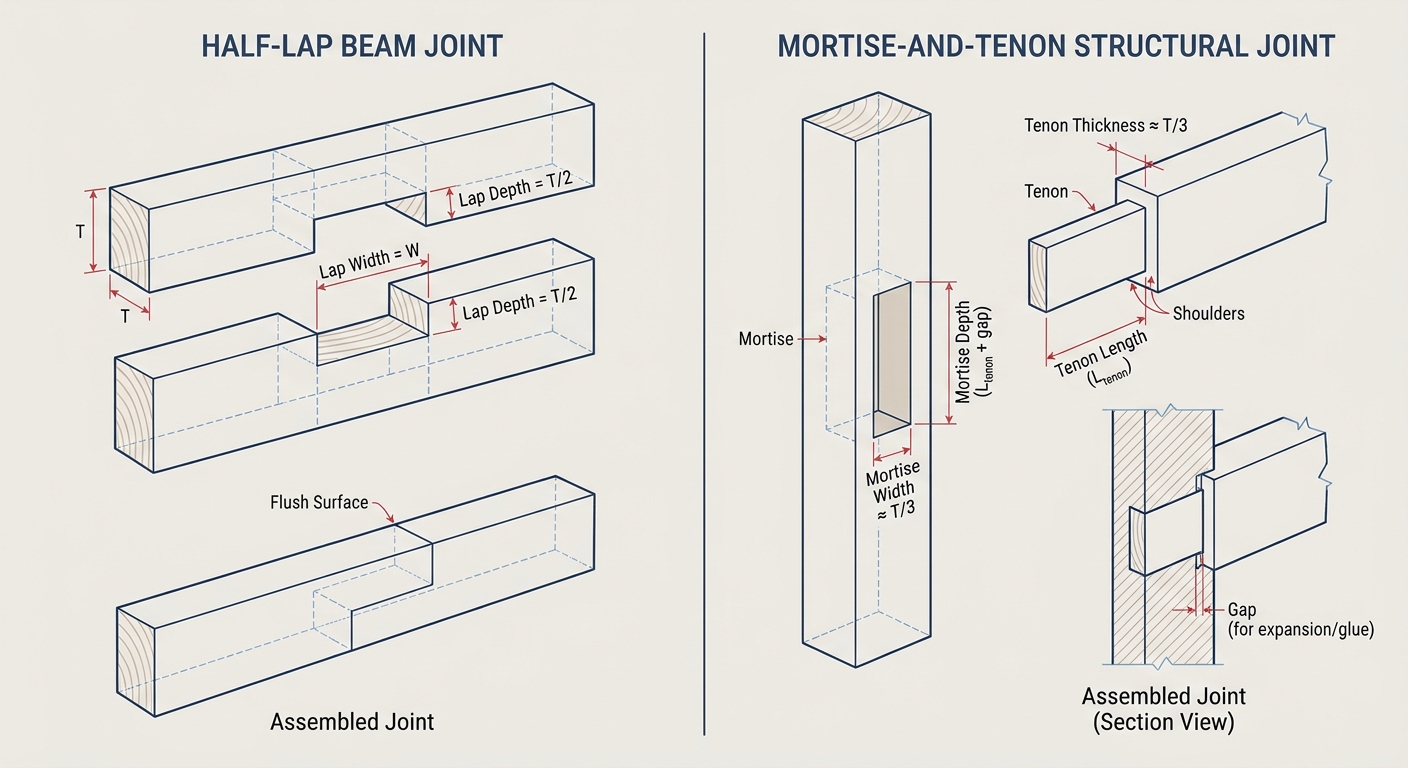
Step-by-Step: Clean Half-Lap Beam Joint Setup
- Reference Face Marking: Choose your squarest face as Face A and mark it with a traditional carpenter's triangle. All measurements register strictly from Face A and Edge B.
- Scribing the Shoulders: Use a marking knife—not a pencil—to sever the wood fibers across the grain. This prevents tearout when making shoulder cuts with a sliding miter saw or hand crosscut saw.
- Clearing the Waste: Route out the middle material using a dado stack calibrated to half the exact timber thickness, or make parallel kerf cuts 1/4" apart and waste out the material with a sharp 1" bench chisel.
- Parings and Test Fit: Pare to the scribe line working from both outside edges toward the center to avoid blow-out on the back face.
Rapid Boat Building Mechanics: Stitch-and-Glue Basics
- Panel Layout: Transfer lofting offsets directly to 1/4" marine-grade Okoume plywood
Read the full article on TigerDen.