Published: November 5, 2026
Explore real-time shop management tech, strategies for retaining master trade wisdom through modern apprenticeships, luxury brand positioning for makers, and heavy-duty box beam joinery techniques in this edition of TigerDen Daily.
Pull up a stool, grab a mug of black coffee, and welcome to the Thursday, November 5, 2026 edition of the TigerDen Daily. Today we’re looking at real shop management tools, preserving trade wisdom in an automated world, brand positioning strategies for high-margin custom work, and box beam joinery techniques that keep your woodwork flat and tight.
🔧 Cool New Tools: Real-Time Shop Tracking & Fab Tech
Managing inventory in a small job shop usually means hunting through racks of drop sheet metal, looking for an elusive 3/8" carbide end mill, or writing job numbers on blue painter's tape.
Fulcrum recently rolled out its updated shop management software designed specifically for small-to-midsize fabrication and machine shops. Instead of clunky legacy ERPs built for mega-factories, this system tracks raw stock, job routing, tooling lifespan, and finished parts in real time across the shop floor.
+-------------------------------------------------------------------+
|                        FULCRUM TRACKING PIPELINE                  |
+-------------------------------------------------------------------+
|  [Raw Inventory]   -->   [Live Job Routing]  -->  [Tool Wear Log] |
| (Sheets/Bar Stock)      (Laser/Welding Stations)   (End Mills/Bits)|
+-------------------------------------------------------------------+
Why It Matters on the Shop Floor
- Material Waste Reduction: When working with high-dollar materials like 6061-T6 aluminum or 316 stainless steel, losing track of rems (remnants) burns cash. Real-time stock tracking lets operators tag and assign drops immediately after laser cutting or saw ops.
- Tool Life Accountability: If a 1/2" 4-flute end mill breaks or wears out during a production run, tracking tooling consumption directly on the floor prevents job stalls mid-shift.
- Streamlined Aluminum & Laser Workflows: High-speed laser cutting generates dozens of parts per hour. Software that matches parts directly to job traveler sheets prevents mixed-up shipments when components head to downstream operations like aluminum TIG welding.
Looking to audit your shop's tooling and setup? Check out our dedicated inventory and rig breakdown inside the /tools directory.
🏗️ Trade Career Spotlight: Bridging Tech and Institutional Wisdom
The biggest hurdle facing the construction and mechanical trades isn't just recruitment—it's knowledge retention. As veteran master tradespeople retire, decades of hard-won field wisdom (like reading structural sag, feeling proper pipe torque, or setting up complex rig rigging) risk walking out the shop door.
Recent industry reports emphasize that successful contractors aren't choosing between "old school craft" and "new tech"—they are embedding technology directly into traditional apprenticeship pipelines.

How Modern Contractors Preserve Master Knowledge
- Digital Standard Operating Procedures (SOPs): Master carpenters and plumbers record brief, 60-second video walkthroughs of complex installs (e.g., retrofitting heavy HVAC ducting in tight plenum spaces) linked directly to job blueprints via QR codes.
- Tech-Assisted Field Layout: Apprentices learn manual layout geometry first, then cross-verify using 3D laser layout equipment. This reinforces foundational layout theory while building digital literacy.
- Structured Upskilling Pathways: Instead of treating software as an administrative burden, leading contractors train field techs on digital takeoffs, CAD modeling, and field diagnostic tools right on the job site.
If you are building your career in the field, explore structural paths and licensing guides across carpentry, electrical, plumbing, and welding inside /paths/trades.
💰 Maker Mogul Corner: Brand Positioning for High-Margin Craft
If you run a custom fabrication shop, furniture studio, or maker business, competing on price with offshore imports or big-box retailers is a race to the bottom. To earn a real living, your pricing must reflect your shop rate, material overhead, margin for growth, and brand equity.
Building a brand strategy isn’t about running generic ads—it’s about positioning your workshop as the authority in a niche. Industry brand strategists point to clear patterns that separate hobbyists from profitable maker businesses:
+---------------------------------------------------------------------+
|                      CUSTOM CRAFT PRICING FORMULA                   |
+---------------------------------------------------------------------+
|  Total Price = [Materials + Consumables]                            |
|              + [(Labor Hours + Shop Prep) x Shop Hourly Rate]       |
|              + [Overhead Markup (20-30%)]                           |
|              + [Brand Value / Exclusivity Margin (15-25%)]           |
+---------------------------------------------------------------------+
Operational Marketing Tactics for Makers
- The Repeatable Hook: When sharing process content on short-form video or Instagram, open with a consistent visual or structural hook. Show the raw stock being milled, the sparks off a grinder, or the final hand-rubbed oil finish within the first 3 seconds.
- Sell Exclusivity and Status: High-end clients don't buy a dining table just because it holds plates; they buy status, craftsmanship, and a story. Highlight your wood sourcing, your hand-cut joinery, or your custom powder-coat finishes.
- Track Lead Sources: Never post without a goal. Use clear custom links or specific inquiry forms to trace high-value custom client quotes directly back to your organic content.
For complete breakdowns on shop rates, batch production strategies, and client contracts, jump over to /paths/maker.
🛠️ DIY Mastery: Clean Box Beams, Corner Hardware & CAD Modeling
Whether you're wrapping structural I-beams in a rustic living room, assembling a heavy-duty shop bench, or prototyping custom metal hardware, precise layout and joinery make or break the finished build.
1. Architectural Box Beam Tech
Building hollow, faux timber beams lets you achieve the bold look of 8x8 structural timber without the immense weight, checking, or twisting of solid green lumber.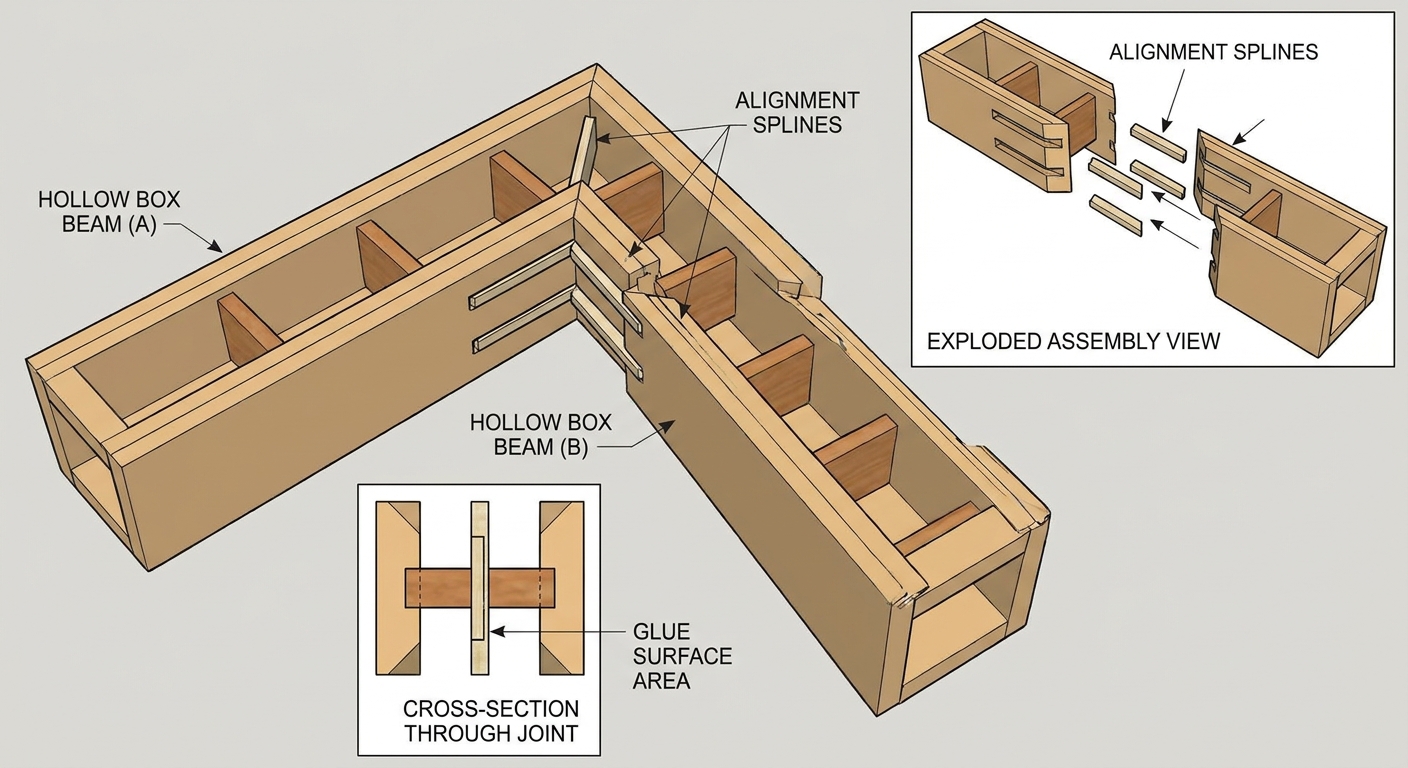
- Lock Miter vs. Bevel & Spline: A standard 45-degree miter on 3/4" hardwood tends to pull open over time with seasonal humidity shifts. Use a lock miter router bit or cut 45-degree bevels with an internal continuous spline strip to lock the corner tight.
- Internal Stiffener Blocks: Glue 2x4 internal mounting blocks every 24 inches inside the U-channel. This prevents the side walls from bowing inward when clamping and gives you solid mounting points against ceiling cleats.
2. Selecting Heavy-Duty Corner Brackets
Not all corner brackets are created equal. When building workbench frames or timber shelters:- Flat Corner Mending Plates: Best for preventing face-frame joint separation under lateral shear, but provide zero resistance against rack or twist on their own.
- Gusseted Angle Brackets: Steel brackets featuring a welded middle gusset ribbon offer up to 4x the bending resistance of standard bent-plate L-brackets.
- Fastener Selection: Ditch soft drywall screws. Use structural timber screws (like GRK or Simpson SDWS) or through-bolts with washers when anchoring load-bearing wood-to-metal corners.
3. Prototyping Hardware in CAD (SolidWorks)
Before striking an arc in the welding booth or mRead the full article on TigerDen.