
Published: November 1, 2026
From mid-torque impact wrench benchmarks and breaking HVAC labor reform bills to vintage Etsy pricing strategies and marine epoxy glassing techniques, here is your Sunday breakdown across the trades, commercial making, and DIY mastery.
Welcome to TigerDen Daily: Sunday, November 1, 2026
Grab a fresh cup of shop coffee and pull up a stool. October was a heavy month for testing gear, bench testing trade policy shifts, and refining production workflows in the shop. Today we are digging into fresh impact driver benchmarking data, a landmark legislative proposal targeting skilled trade retirement ages, practical market data for Etsy makers, and structural hull glassing techniques.
Here is what you need to know across our three paths today.
🔧 Cool New Tools
Impact Driver Fastening Speed Benchmark: 13-Tool Lab Test
Fastening speed on paper rarely matches reality under load. When driving 3-inch #10 structural screws into double-layered pressure-treated 2x10s, no-load RPM numbers fall apart quickly. Our testing benchmarked 13 current-generation 1/4-inch hex impact drivers to evaluate real-world drive times and thermal management.Key takeaways from the test bench:
- RPM drop-off under load: Top-tier brushless motors maintained over 72% of their rated no-load RPM under heavy load, while mid-spec brushed models dropped below 48%, resulting in thermal cutoff after 15 consecutive structural drives.
- Collet stability: Drivers utilizing dual-ball bearing collets exhibited significantly less bit wobble during long fastener drives, protecting bit tips from premature shearing.
- Control modes: Auto-stop and self-tapping metal modes are no longer gimmicks—they actively prevent head-stripping on 18-gauge steel framing.
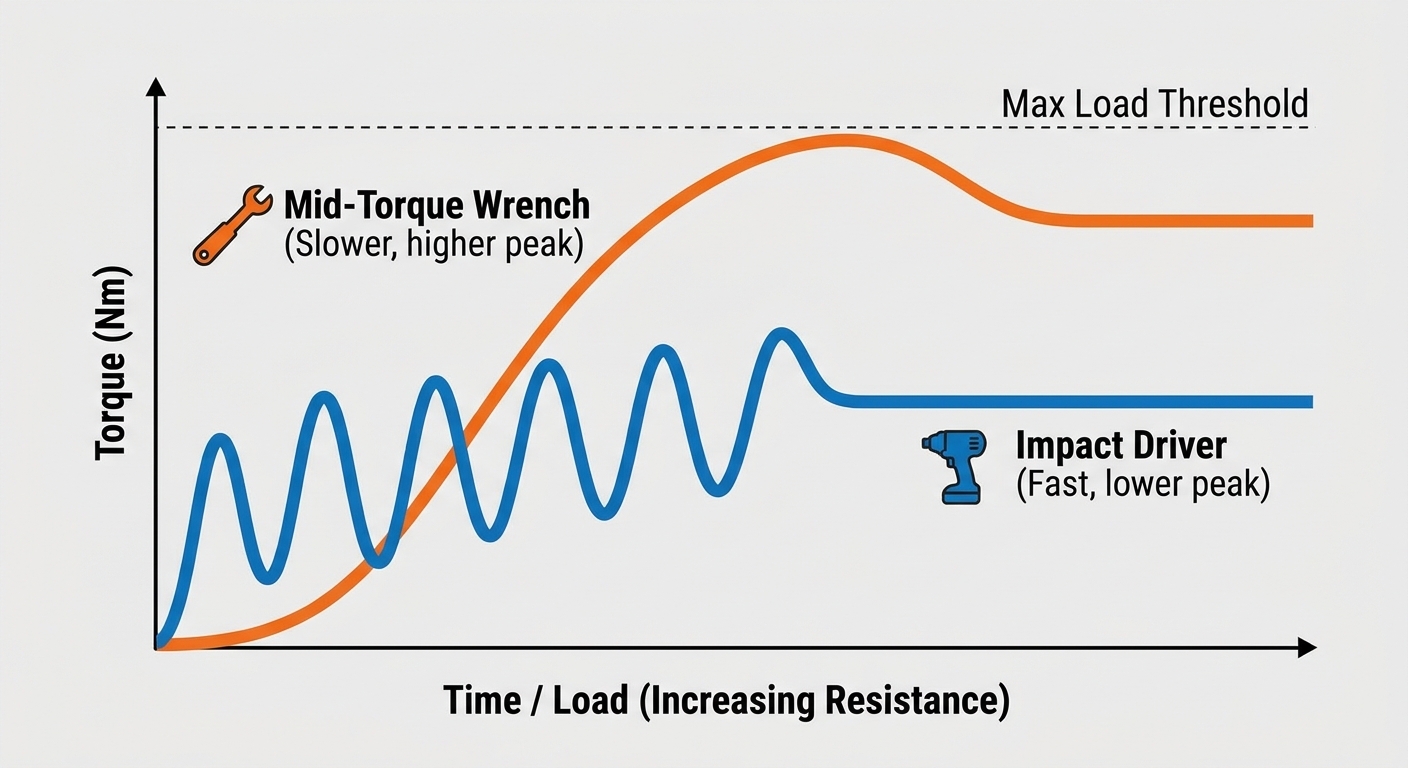
Tool Highlight: Ryobi 18V HP Brushless Mid-Torque Impact Wrench (PBLIW25)
If you need socket power without hauling around a 7-pound high-torque monster, mid-torque is the sweet spot for automotive repair and equipment maintenance.- Breakaway Torque: Rated at 450 ft-lbs of nut-busting torque.
- Fastening Torque: Delivers up to 350 ft-lbs across three speed settings plus an auto mode.
- Anvil Specs: 1/2-inch square drive with friction ring (hog ring) for rapid socket swaps.
- Shop Reality: At under 4 pounds bare tool, it handles lug nuts, suspension bolts, and trailer hitch hardware without burning out your forearm during all-day teardowns.
Quick Cut: Greenworks 24V Pro 4-1/2-Inch Angle Grinder (AG590)
For quick weld cleanup, rebar cutting, or beveling plate steel on mobile job sites, the Greenworks AG590 offers solid cordless utility:- Motor Speed: Brushless motor pushing 8,500 RPM.
- Safety & Ergonomics: Features a two-stage paddle switch to prevent accidental lock-on and a tool-free guard adjustment lever.
- Wheel Fitment: Standard 5/8"-11 spindle thread accepts standard 4.5-inch cut-off wheels and flap discs.
🏗️ Trade Career Spotlight
Federal Bill Proposes Lower Retirement Age (Age 60) for Trades
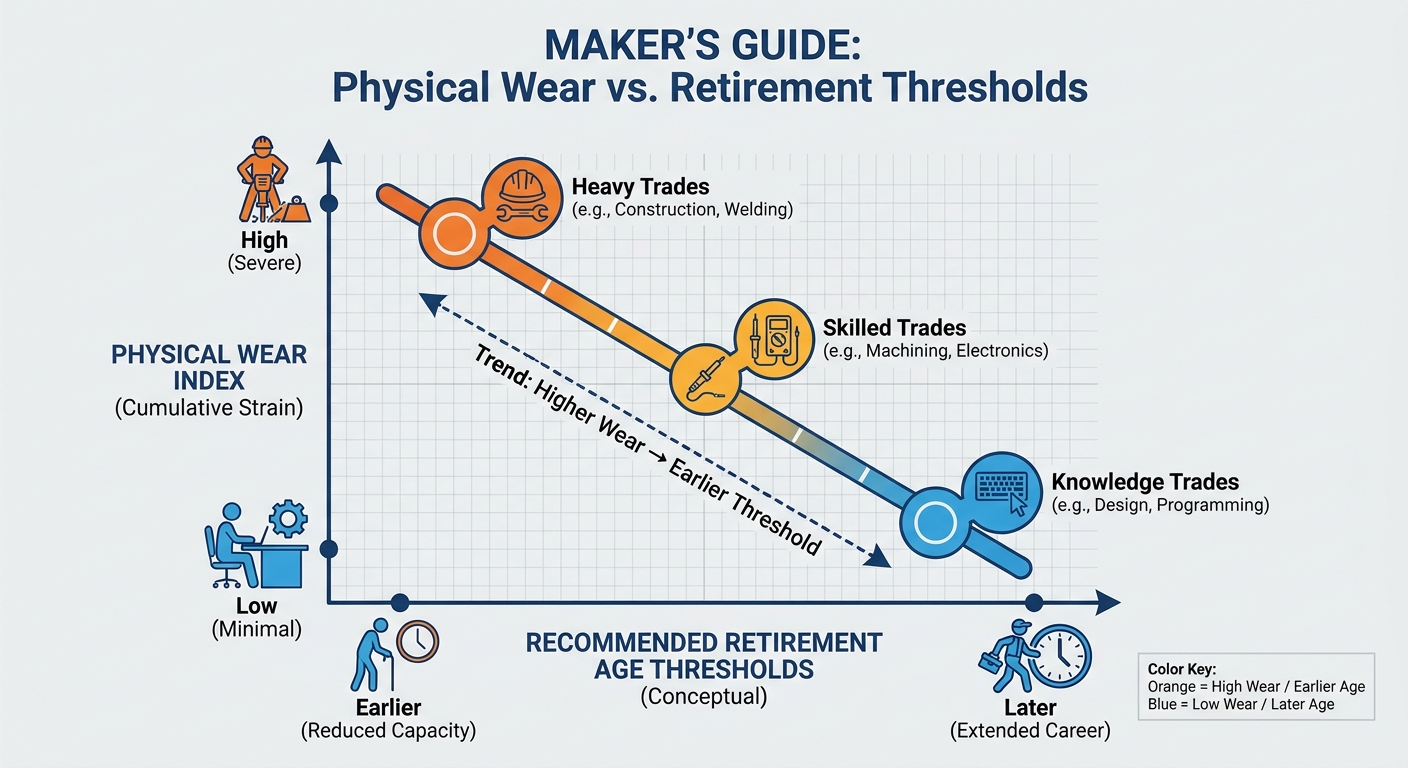
A new bill introduced in Congress proposes lowering the full Social Security retirement age to 60 for workers in physically demanding blue-collar occupations, specifically highlighting HVAC technicians, plumbers, electricians, and ironworkers.For decades, trade union reps and safety directors have pointed out that forcing field techs to work until age 67 under heavy mechanical strain leads to severe chronic joint wear, spinal degradation, and disability claims.
"My knees don't care what the federal retirement age says," noted one 32-year master commercial HVAC mechanic. "Lugging 50-pound recovery tanks up access ladders at 58 years old is fundamentally different from sitting behind a desk."
If passed, qualifying technicians with 20+ verified years of physical field service would receive full benefit entitlements seven years earlier than standard office-based workers.
Why Commercial HVAC Techs Push Back on Fluff Software
A recent industry survey of 181 commercial HVAC technicians revealed a striking pattern: field techs are not resistant to technology—they are resistant to software built by people who have never worked on a roof.What techs actually want from digital tools:
- Offline Access: Full diagnostic schematics and manual access that function inside thick concrete mechanical rooms without cellular coverage.
- Instant Fault Lookup: Clean error code indexing for major chiller and boiler brands without mandatory multi-step survey forms.
- No-Click Asset Tracking: Simple barcode scanning for unit serial numbers rather than manually typing 16-character alphanumeric tags on grease-smudged screens.
💰 Maker Mogul Corner
Navigating 2026 Etsy Market Trends & Vintage Rules
If you build custom home decor or curate vintage shop equipment, understanding current market search trends is critical for maintaining profitable margins. Data across summer and autumn 2026 points to two major buyer shifts:- Tactile Craftsmanship: Buyers are migrating away from flat veneer modernism toward textured surfaces, lime-washed finishes, exposed joinery, and heavy solid-hardwood construction.
- Strict Vintage Definitions: Etsy enforces a strict 20-year age requirement for item categorization. Listing reproduction items as authentic vintage risks immediate account suspension.
Practical Shop Pricing Model for Custom Furniture
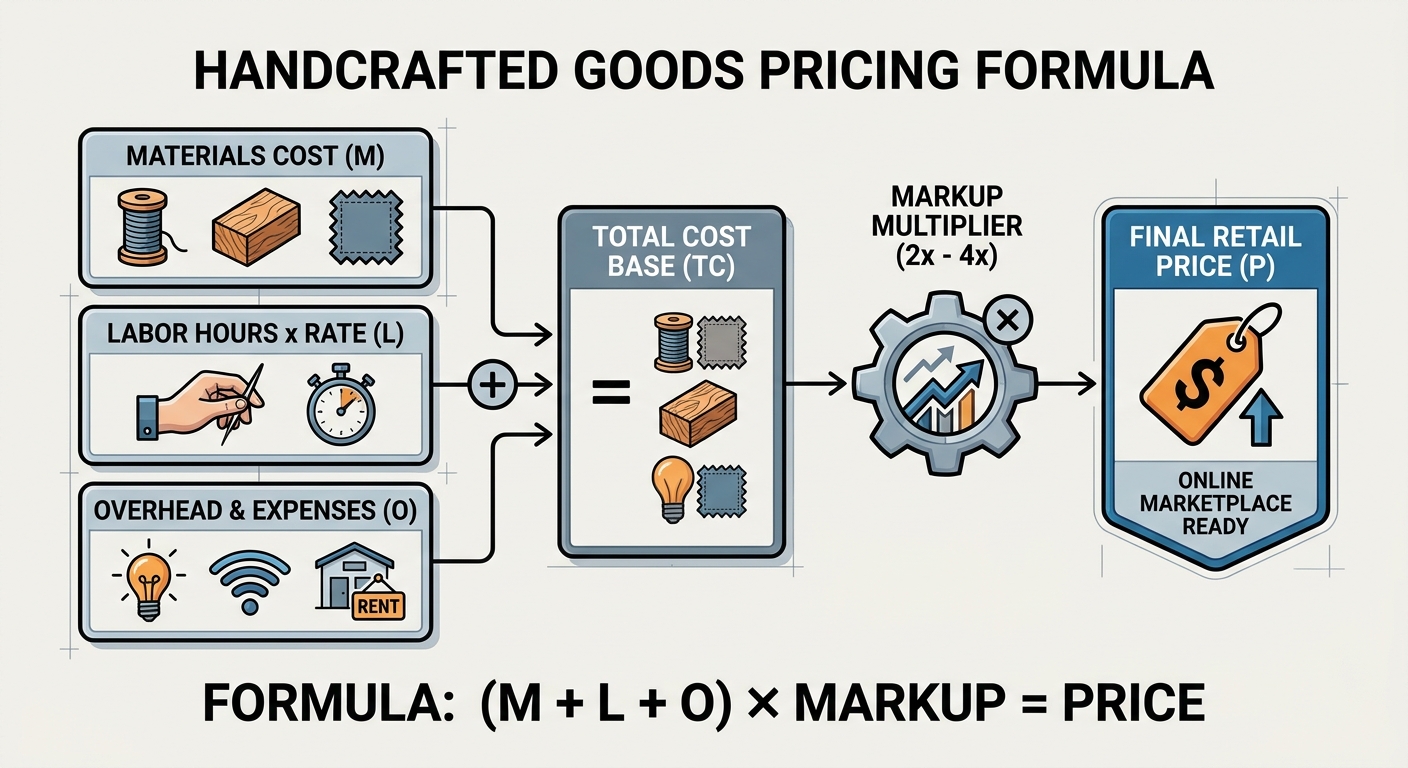
When pricing small production batches or custom client builds, don't rely on simple "material cost x 3" shortcuts. Use a transparent overhead cost formula to protect your shop's bottom line:$$\text{Wholesale Price} = (\text{Materials} + \text{Consumables}) + (\text{Labor Hours} \times \text{Base Shop Rate}) + \text{Overhead Burden}$$
Where:
- Consumables: Sandpaper, glue, finish, router bits (typically calculated at 10-15% of raw material cost).
- Base Shop Rate: Minimum $55/hr to cover technician wage plus self-employment tax obligations.
- Overhead Burden: Fixed monthly costs (rent, dust collection power, machine depreciation, shop insurance) divided by active billable shop hours.
🛠️ DIY Mastery
Workshop Hack: Sorting & Maximizing Scrap Hardwood
A 65-year-old master carpenter shared a fundamental rule for scrap bin management: Never burn usable hardwood stock under 12 inches.Here is how to sort cutoffs efficiently:
- Sub-6-inch cutoffs: Rip into 3/4" x 3/4" strips to create corner blocks, alignment keys, or dowels.
- 6-to-12-inch hardwood stock: Face-glue into thick turning blanks for bowls or edge-grain trivets.
- Narrow strips (<1/2" thick): Store upright in PVC tubes to use as contrasting splines in miters or accent banding.
Sunroom Remodel: Lime Plaster & Quarter-Sawn Oak
Combining breathable lime plaster with thick solid oak trim creates a damp-resistant, structurally sound sunroom wall setup.Steps for application:
- Substrate Prep: Apply a quartz-aggregate bonding primer over cement backer board to ensure mechanical adhesion.
- First Coat (Scratch Coat): Trowel on 1/4-inch layer of hydraulic lime plaster using a stainless steel pool trowel held at a 30-degree angle. Lightly cross-hatch with a scratch comb once thumb-print hard.
- Finish Coat: Apply a 1/8-inch coat, burnishing with a plastic trowel as it sets to achieve a smooth stone finish.
- Oak Integration: Seal quarter-sawn white oak baseboards on all six sides with hardwax oil before mounting to prevent moisture absorption from the plaster coat.
![Hull epoxy glassing layer breakdown and wet-out squeegee technique](https://tigerden.app/storage/v1/object/public/build
Read the full article on TigerDen.