Published: January 29, 2026
Is Vevor moving from 'specialized niche' to 'workshop staple'? We explore why this budget-friendly brand is disrupting the tool industry and put their new 10-inch miter saw to the ultimate test.
Vevor Tools: From Specialized Niche to Workshop Takeover
If you’ve spent any time scouring the web for that one weird, hyper-specific tool—like a magnetic core drill for thick steel or a commercial-grade ultrasound cleaner—you’ve likely encountered the bright orange branding of Vevor. For years, they were the go-to for the "specialized" stuff that was usually too expensive to buy from premium brands for a one-off project.
But something has changed. Have you looked at their catalog lately? Vevor isn't just filling the gaps anymore; they are coming for your entire workbench.
The Shift: From Niche to Necessity
I’ll admit it: my shop used to be a strictly "big brand" zone. But as I started needing tools for tasks I don't perform every day—like drilling through heavy metal plating—I started taking chances on Vevor. The price point was almost too good to pass up, and the tools actually performed.
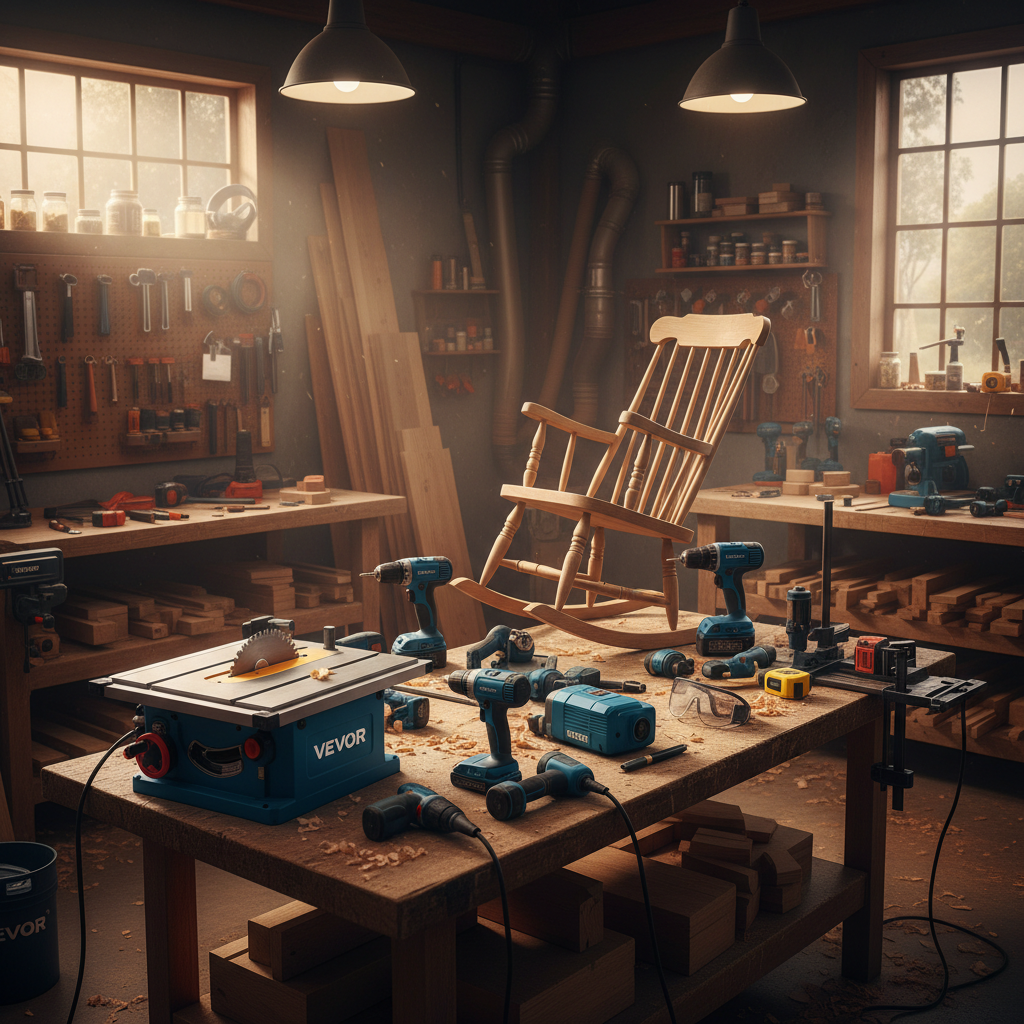
What’s wild is that they’ve now pivoted from those industrial oddities into the "Big Three" of power tools: saws, drills, and sanders. They’ve launched a full lineup of traditional power tools that look ready to compete with the household names we’ve used for decades.

The Ultimate Test: The 10-Inch Miter Saw
The real turning point for me happened last week. My trusty Makita miter saw—a tool I use daily—went out of commission. Between parts and labor, the repair timeline is looking like several weeks, if not months.
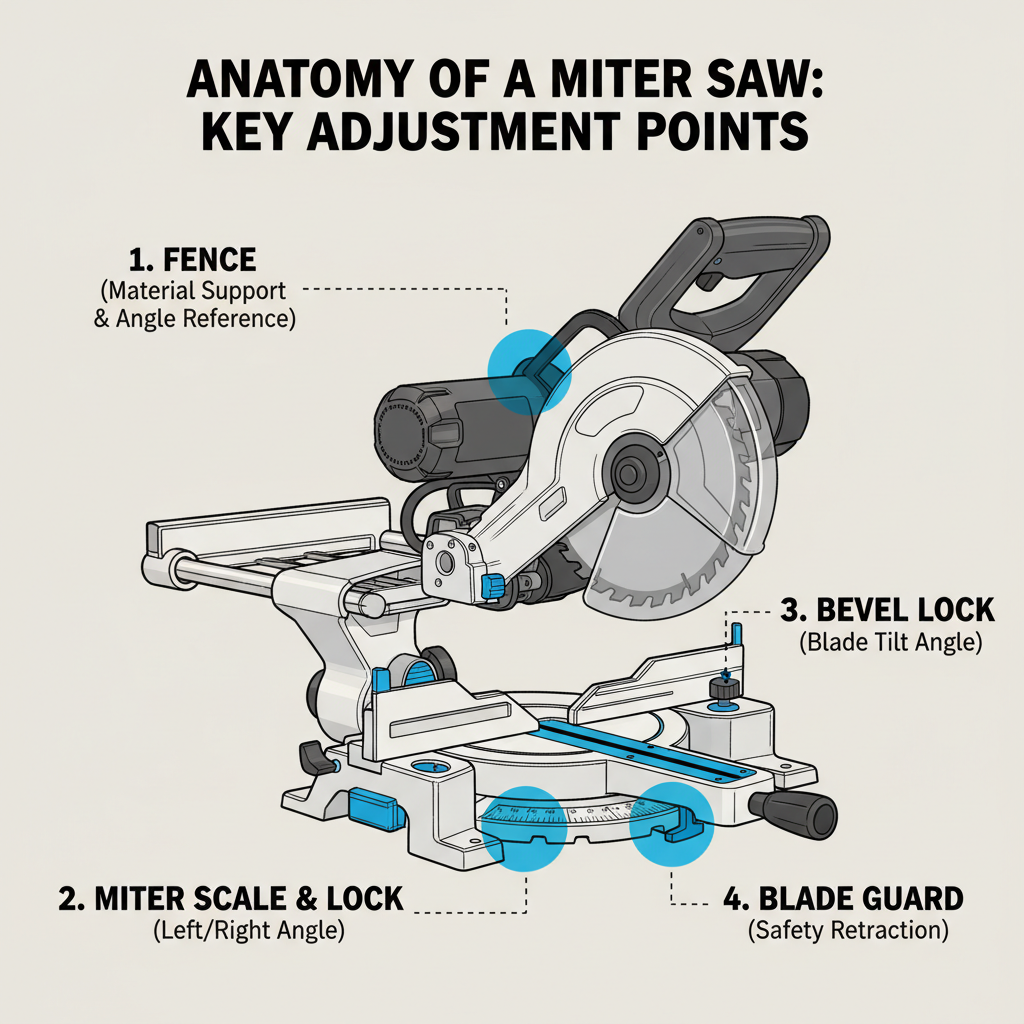
Faced with a stalled workshop, I decided to put Vevor’s new "mainstream" ambition to the test. I pulled the trigger on the Vevor 10-inch Sliding Compound Miter Saw.
At a fraction of the cost of a replacement Makita or DeWalt, it felt like a low-risk gamble. My plan is to get it set up, calibrated, and run it through its paces on some hardwood projects.
What to Look for When Testing Budget Tools:
- Table Flatness: Is the aluminum base actually level?
- Fence Alignment: Does it stay square after multiple slides?
- Dust Collection: Budget saws are notorious for "snowing" sawdust; can Vevor defy the trend?
- Motor Torque: Does it bog down when hitting a dense knot in a piece of oak?
Industry Disruption?
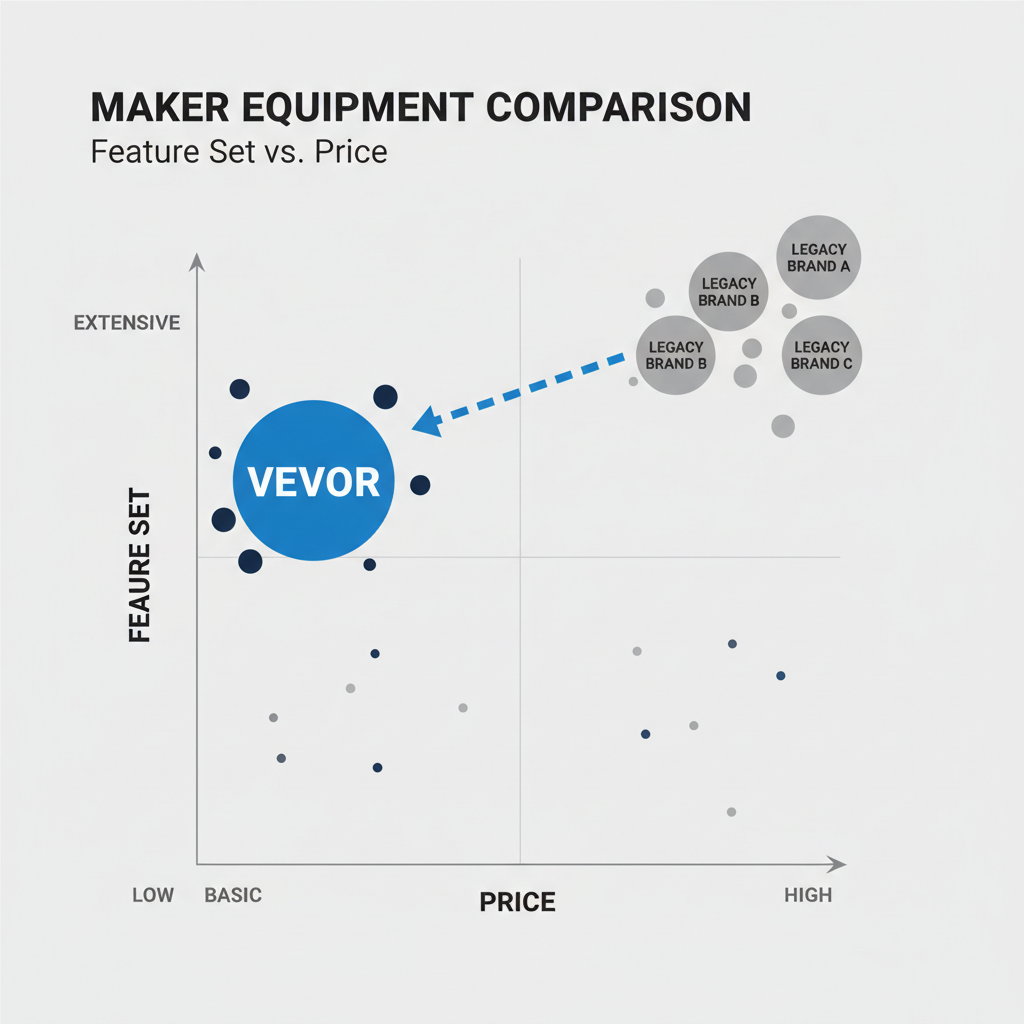
To me, Vevor is positioned to be incredibly disruptive. In a world where tool prices are skyrocketing, they are offering "pro-sumer" specs at entry-level prices.
While a professional contractor might still rely on the extreme durability of Hilti or Milwaukee for 60-hour work weeks on a job site, the Maker Community lives in a different space. We need accuracy and versatility, but we also need to be able to afford the wood and metal we’re working on!
Practical Tips for the Vevor-Curious
If you’re thinking about trying out the "Orange Giant" for your next tool purchase, here are a few tips I’ve learned:
- Check the Manuals Online: Vevor’s documentation has improved, but reading the PDF before buying helps you understand the specific limitations of the tool.
- Upgrade the Consumables: Often, the "tool" is great, but the "blade" or "bit" it comes with is average. Swapping a stock Vevor blade for a high-quality Freud or Diablo blade can make a $150 saw perform like a $400 one.
- Inspect on Arrival: Because they ship direct, always check for any shipping alignment issues immediately.
What Do You Think?
I’ll be back soon with a full deep-dive review of the 10-inch miter saw once it’s dialed in. But in the meantime, I want to hear from the TigerDen community.
Are you sticking with the "big brands" for your primary tools, or have you started seeing more orange in your shop lately? Does the lower price point make you more likely to try a new craft, like metalworking?
Let’s discuss in the comments below! 🛠️
Sources: Note: This post is based on personal workshop experience and current market trends in the DIY tool industry.