
Published: January 28, 2026
Thinking of turning your woodworking or metalworking hobby into a business? Learn the essential steps to launching an Etsy shop, the hidden work involved, and how to tell if you're ready to make the plunge.
How do you launch an Etsy Maker business and how much work is it?
We’ve all been there: You’re in the workshop, finishing a custom walnut cutting board or a hand-forged bottle opener, and a friend says those magic words: "You should really sell these!"
It’s a flattering thought, but it’s also a daunting one. Transitioning from a hobbyist making gifts to a business owner selling to strangers is a massive leap. Today at TigerDen, we’re breaking down how to make that plunge, whether Etsy is still the best place for makers, and the reality of the work involved.
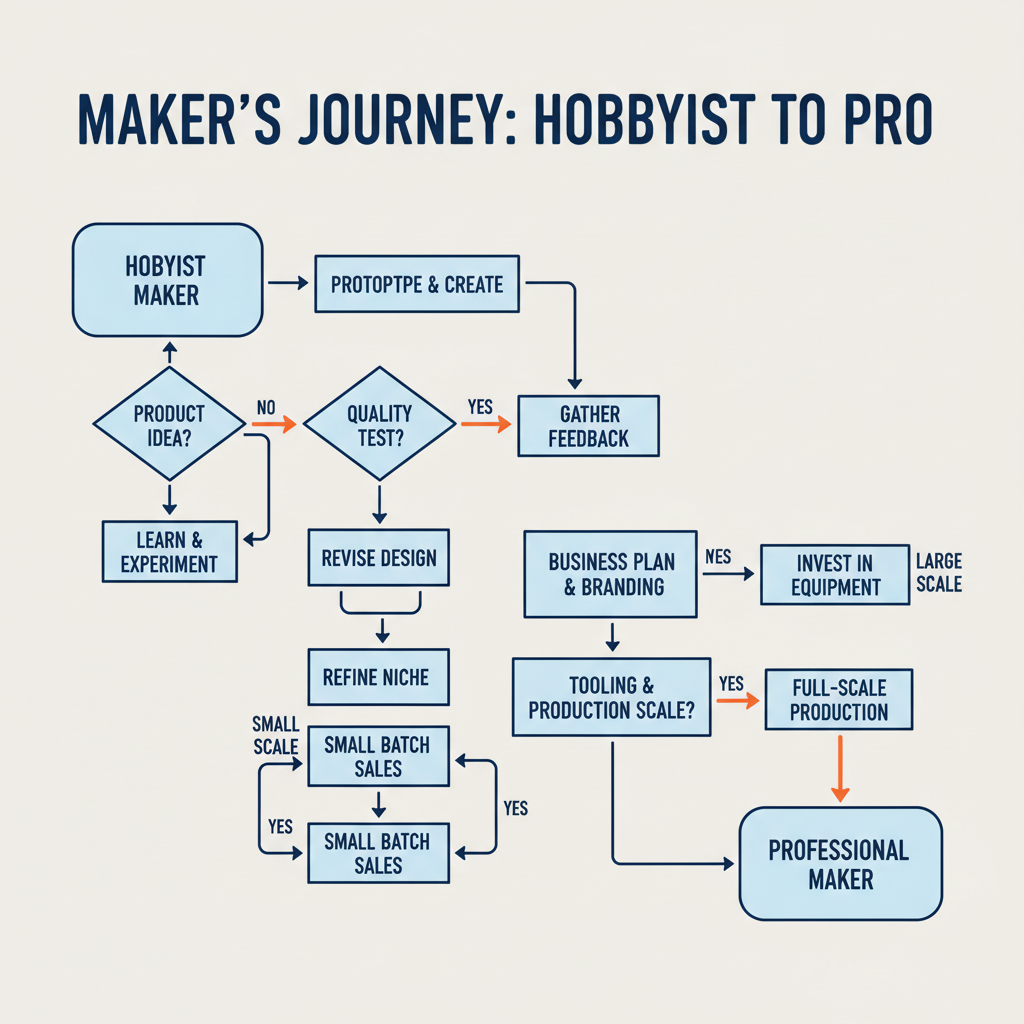
When Should You Make the Plunge?
The bridge between "hobby" and "business" isn’t built on passion alone—it’s built on consistency. Before you open a shop, ask yourself these three questions:
- Can I replicate this quality? Making one perfect piece for your mom is different than making ten identical pieces for customers.
- Is there a demand? If people outside your immediate circle are asking to buy your work, that’s your green light.
- Do I enjoy the "business" of making? When you sell your work, you spend less time at the workbench and more time on photography, packing, and customer service.
Why Etsy? (And is it the best destination?)
Etsy is often the first stop for makers, and for good reason. It’s essentially a massive search engine for handmade goods.
The Pros:
- Low Barrier to Entry: You can set up a shop in an afternoon for just $0.20 per listing.
- Built-in Audience: Millions of shoppers go to Etsy specifically looking for "handmade" or "unique" items.
- Trust: Customers feel safer buying through a platform with established payment protection.
The Cons:
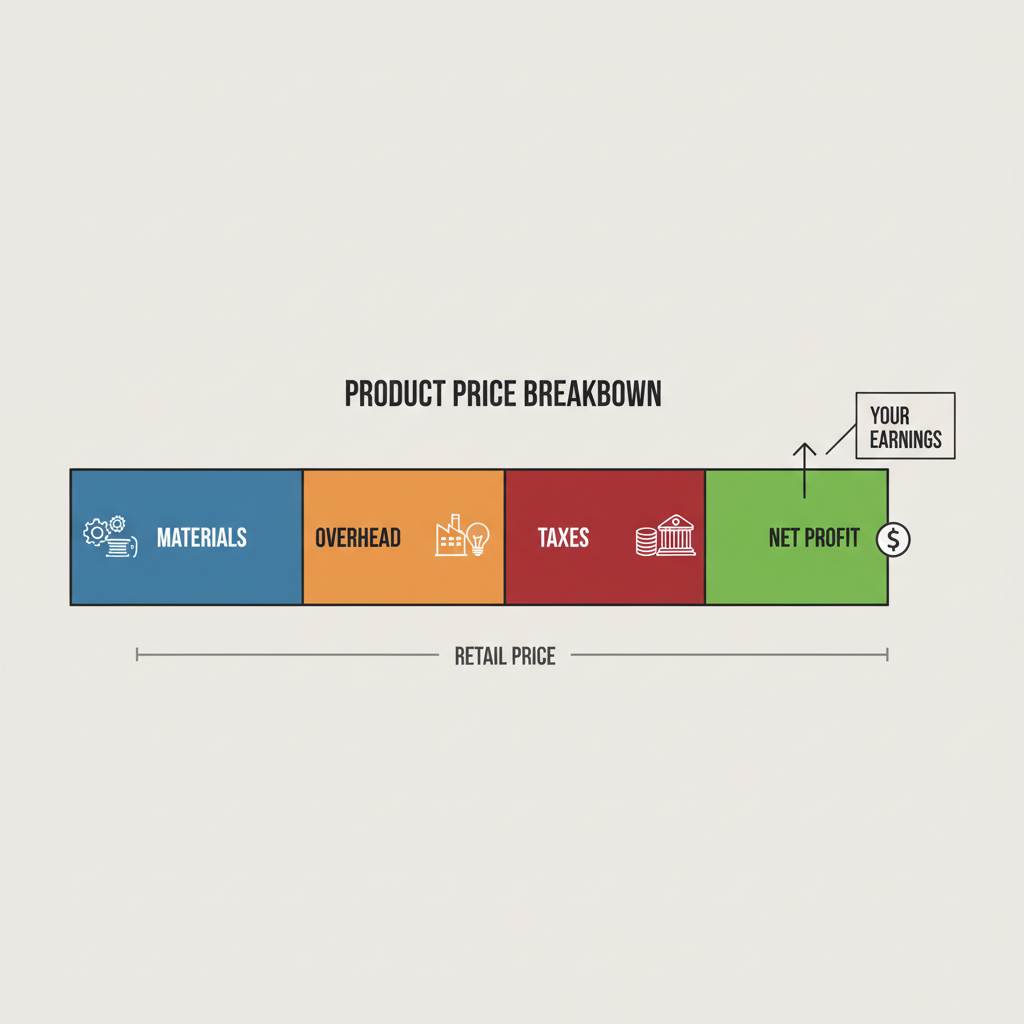
- Fees: Between transaction fees, payment processing, and optional offsite ads, Etsy takes a significant cut (roughly 6.5% - 20% depending on your volume).
- Competition: You aren't just competing with the shop next door; you're competing with the world.
The "Work" Behind the Scenes
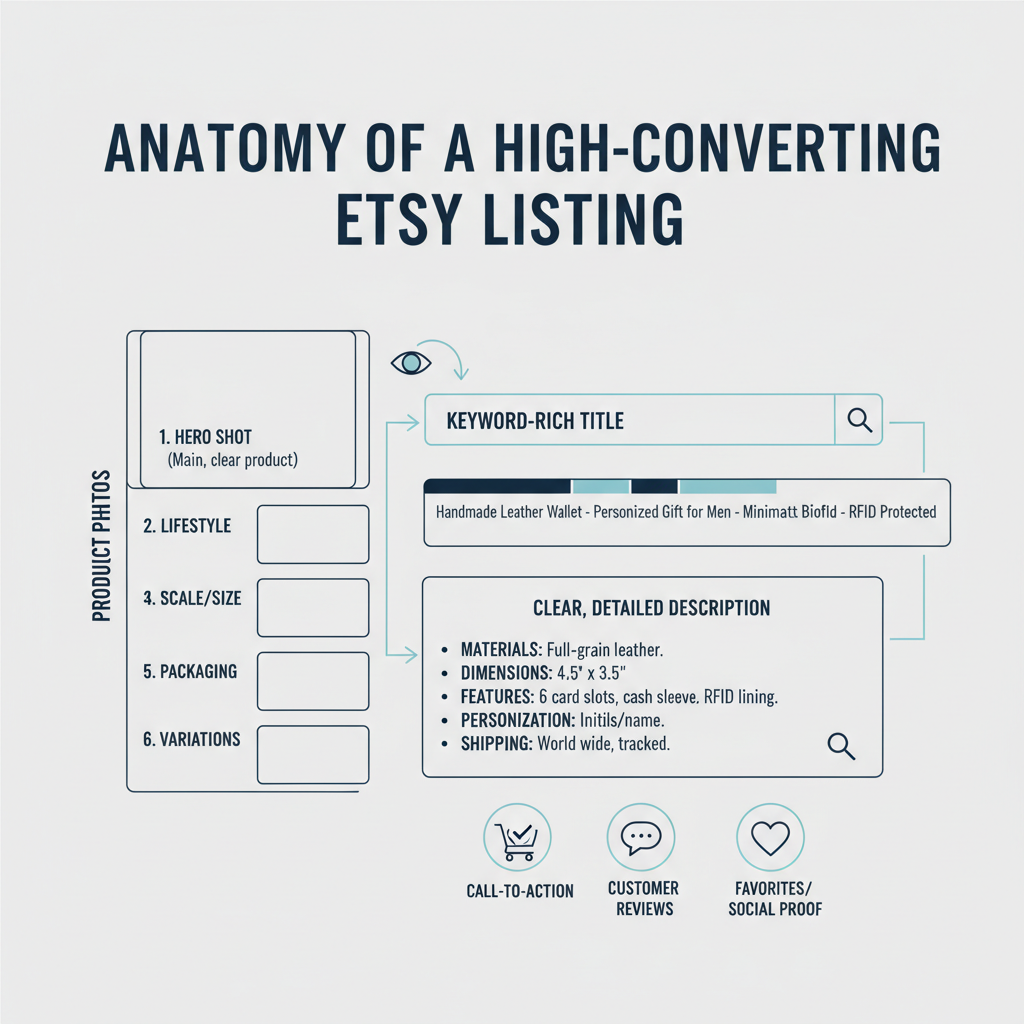
The biggest surprise for new makers is that the "making" is often only 50% of the job. To succeed on Etsy, you have to wear several hats:
1. The Photographer
In a digital shop, your photos are your product. You need clear, well-lit images that show scale and texture.- Tip: Use natural light and a clean background. For woodworking, show the grain! For metalwork, avoid harsh reflections.
2. The SEO Specialist
Search Engine Optimization (SEO) is how people find you. You need to use keywords in your titles and tags that people actually type into the search bar.- Example: Instead of "Round Bowl," use "Hand-Turned Cherry Wood Salad Bowl, 10-inch Anniversary Gift."
3. The Logistics Manager
Shipping is often the steepest learning curve. You’ll need to figure out packaging that prevents breakage (especially for heavy wood or delicate ceramics) and how to price shipping so it doesn't eat your profits.Practical Tips for Starting Small
- Batch Your Work: Don't build one item at a time. Create "batches" of 5 or 10 to streamline your shop time.
- Calculate Your True Cost: Factor in your materials, electricity, shop consumables (sandpaper, finish), and most importantly, your time.
- Start with 5-10 Items: You don't need a hundred products. A small, cohesive collection looks more professional than a random assortment.
Final Thoughts: Is it Worth It?
Launching an Etsy business is hard work, but for a maker, there is nothing quite like the "cha-ching" notification on your phone. It validates your craft and funds your next big tool purchase.
If you love the process and are ready to learn a few non-crafting skills, Etsy is still the best sandbox to start in. So, clean off your workbench, grab your camera, and show the world what you can build!
Are you thinking about opening a shop? Tell us what you make in the comments below, or join us at the TigerDen shop this weekend to talk shop!
Sources referenced for marketplace trends and fee structures: Etsy Seller Handbook (2024)* The Crafts Council: Starting a Craft Business Guide*