
Published: January 28, 2026
Discover why makers are ditching water and mixing dry cement with epoxy resin. This guide explores the science, aesthetic appeal, and structural benefits of creating industrial-strength 'faux-crete' for your next project.
Can you really mix Cement with Epoxy? But why would you ever do that?
Hey there, fellow makers! If you’ve been hanging around the TigerDen shop lately, you’ve probably seen some incredible projects combining wood and resin. But lately, a new trend has been bubbling up in the maker community: Epoxy-Cement composites.
At first glance, it sounds a bit like mixing oil and water. One is a porous, ancient building material; the other is a high-tech synthetic polymer. But when you combine them, you unlock a whole new world of industrial aesthetics and structural versatility.
The Science: Why Mix Them?
Usually, when we talk about cement, we think of mixing it with water to trigger a chemical reaction called hydration. However, in the maker world, we often use dry cement powder as a filler for epoxy resin.
When you fold dry Portland cement into clear epoxy, several cool things happen:
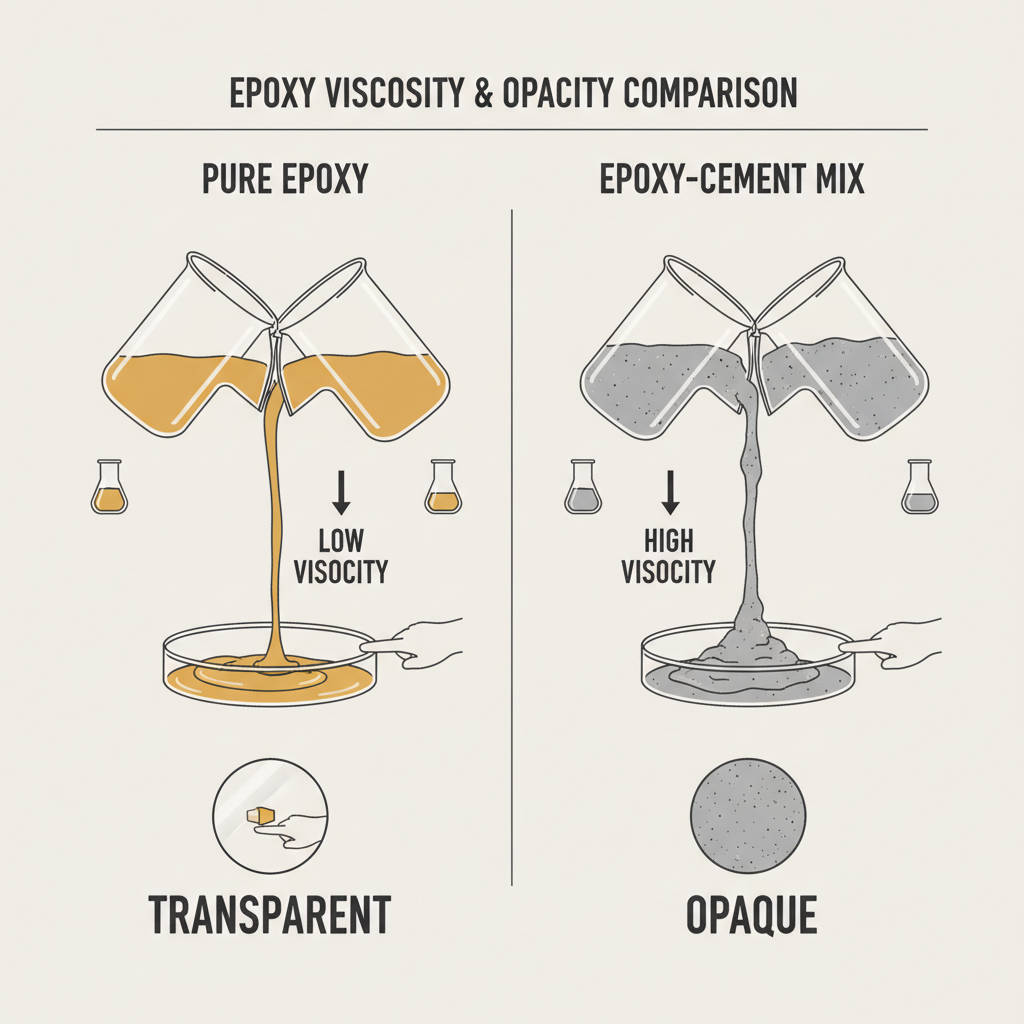
- Industrial Glow: You get a deep, monolithic grey color that looks like polished concrete but has the smooth, non-porous finish of resin.
- Structural Strength: The cement acts as a thickening agent (thixotropic), allowing you to fill vertical cracks or voids without the resin running out as easily.
- Dimensional Stability: Adding cement powder can reduce the overall shrinkage of the resin as it cures, making it great for large-scale "river" tables or floor inlays.
Why Would You Actually Do This?
You might be wondering, "Why not just use concrete?" Here are the three main reasons makers are reaching for this hybrid:
1. The "Polished Concrete" Look Without the Weight
Real concrete slabs are incredibly heavy and prone to cracking if not reinforced with rebar. An epoxy-cement pour gives you that brutalist, industrial look on a lightweight wooden substrate. It's the perfect "faux-crete" solution for coffee tables or shelving.2. Superior Bonding and Sealing
Concrete is notoriously thirsty and porous. If you pour regular concrete against wood, the wood can suck the moisture out of the concrete, leading to a weak bond. Epoxy, however, is a world-class adhesive. By nixing the water and using epoxy as your binder, you ensure a rock-solid bond to wood, metal, or stone.3. Repairing "Dead" Concrete
If you have a cracked workshop floor or a weathered garden statue, a cement-epoxy "putty" is far superior to a standard patch. It creates a waterproof seal that won't shrink and pop out over time.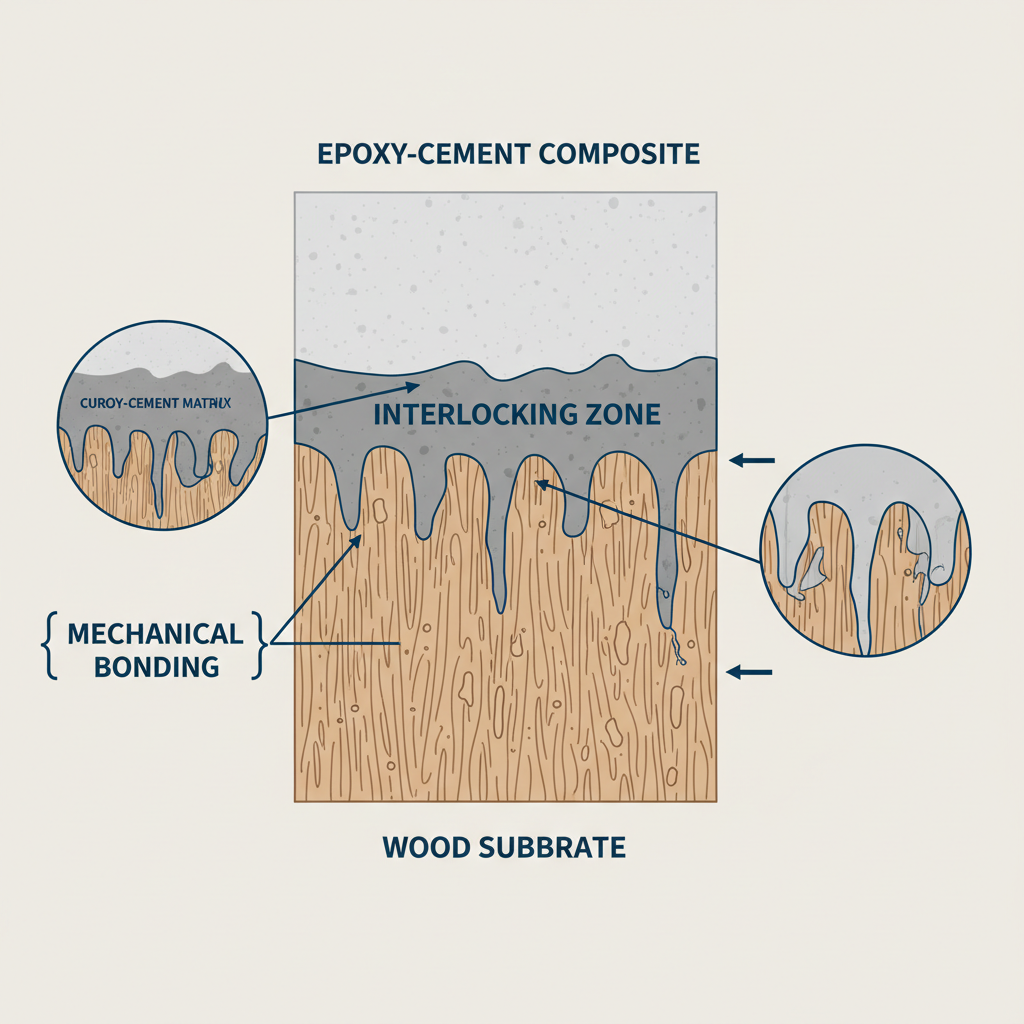
Pro Tips for the TigerDen Workshop
Ready to try it? Keep these tips in mind to avoid a messy disaster:
- Sift Your Cement: Use a fine mesh strainer to remove any lumps from your dry cement powder before adding it to the resin. This ensures a silky-smooth finish.
- The Ratio Matters: Start by mixing your epoxy parts (A and B) thoroughly first. Then, slowly add cement powder until you reach the desired opacity or thickness. A 1:1 ratio by volume (1 part mixed resin to 1 part powder) usually results in a thick, spreadable paste.
- Watch the Heat: Large amounts of filler can sometimes accelerate the exothermic reaction (heat build-up) of the epoxy. Keep an eye on your mixing pot!
- Safety First: Cement powder is a respiratory irritant. Always wear a N95 mask and gloves when mixing dry powders into your resin.
The Verdict
Mixing cement and epoxy isn't just a "hack"—it's a legitimate technique for creating durable, beautiful, and industrial-inspired pieces. Whether you're filling a knot in a rustic oak slab or creating a custom countertop, this hybrid material is a powerful tool to have in your maker arsenal.
What do you think? Are you ready to get "gritty" with your next resin project? Come down to the shop this weekend and let's experiment!
Stay creative,
The TigerDen Team
Sources & References: Cement and Concrete Composites Journal*: "Mechanical properties of epoxy resin-modified cement mortar." West System Epoxy*: "Instructional Manual for Creative Fillers and Additives." The Wood Whisperer*: "Epoxy Grit and Fillers for Woodworking."